Danish companies join forces on an ambitious sustainable fuel project
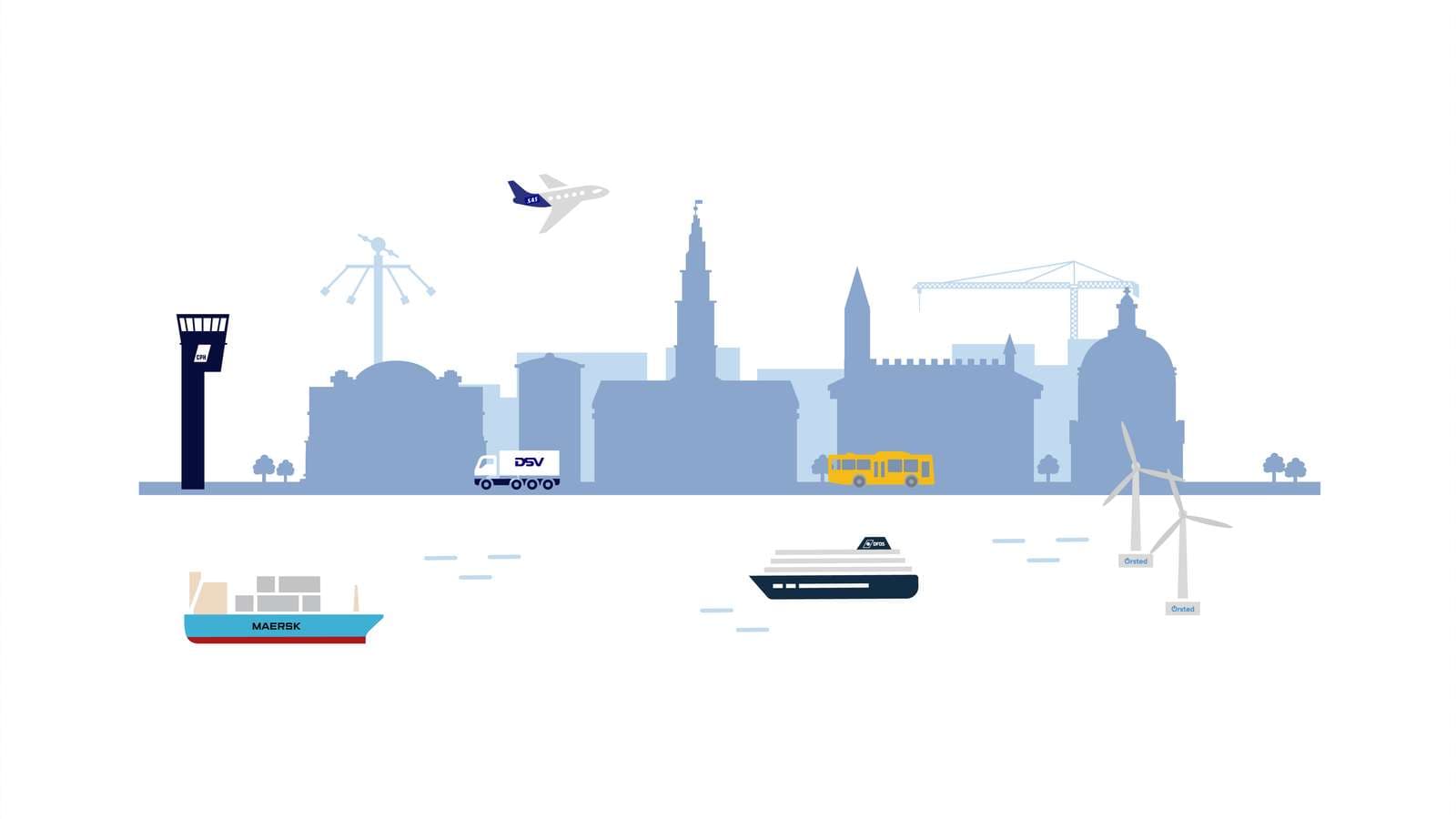
Copenhagen Airports, A.P. Moller - Maersk, DSV Panalpina, DFDS, SAS and Ørsted have formed the first partnership of its kind to develop an industrial-scale production facility to produce sustainable fuels for road, maritime and air transport in the Copenhagen area. The partnership brings together the demand and supply side of sustainable fuels with a vision to realise what could become one of the world’s largest electrolyser and sustainable fuel production facilities. The project can spearhead the maturation of sustainable fuels while creating jobs and new value chains to reinforce Denmark’s role as a green energy leader.
Published: 26 May 2020
Copenhagen
8 min read

Copenhagen Airports, A.P. Moller - Maersk, DSV Panalpina, DFDS, SAS and Ørsted have brought together the demand and supply side of sustainable fuels in a unique partnership with the concrete vision to develop a new ground-breaking hydrogen and e-fuel production facility as soon as 2023. When fully scaled-up by 2030, the project could deliver more than 250,000 tonnes of sustainable fuel for busses, trucks, maritime vessels, and airplanes every year. Production would potentially be based on a total electrolyser capacity of 1.3 gigawatts, which would likely make it one of the world’s largest facilities of its kind. The production from the fully scaled facility can reduce annual carbon emissions by 850,000 tonnes.
COWI and BCG act as knowledge partners for the project, and the project is supported by the Municipality of Copenhagen in line with Copenhagen’s ambitious policies for decarbonisation. However, the partnership hopes that the project can, over time, act as a catalyst for similar projects in other parts of Denmark and internationally.
If realised as envisaged, the project will be located in the Greater Copenhagen Area and could supply renewable hydrogen for zero-emission busses tendered by Movia and heavy-duty trucks managed by DSV Panalpina, renewable methanol for A.P. Moller - Maersk vessels and renewable jet fuel (e-kerosene) for SAS airplanes and air transport out of Copenhagen Airports. The project will require a large-scale supply of renewable electricity, which could potentially come from offshore wind power produced at Rønne Banke off the island of Bornholm.
Today, such sustainable fuels come at a higher cost than fossil-based fuels. To become competitive with fossil fuels, the production of sustainable fuels will need to be matured, built at industrial scale, and go through a cost-out journey similar to what has been seen over the past decade in other renewable energy technologies, such as offshore wind, onshore wind and solar PV. As an example, the cost of offshore wind has declined by approx 70% in Northwest Europe since 2012. For this to happen, governments and industry must come together to create a framework that incentivises private investments in large-scale sustainable fuel production.
Although several partners are challenged by the deep impact of COVID-19, the partnership’s long-term commitments to fighting climate change remain intact. The industrial partners see this project as a way to combine the dual objectives of accelerating the green transformation and providing economic stimulus to the Danish economy post the COVID-19 crisis. Denmark is in a unique position to become a hub for the production of sustainable fuels, creating jobs and securing a leading position in establishing an entirely new industry, which will be key in driving decarbonisation towards net zero in 2050, not just in Denmark, but also globally.
The electrolyser facility will not only be a potential cornerstone in decarbonising the partners’ businesses but will also deliver a critical contribution to reaching Denmark’s ambitious goal of reducing carbon emissions by 70% by 2030 compared to 1990 by replacing fossil fuels in heavy transport with sustainable fuels. The vision of the partnership is to develop the project in three stages:
The first stage, which could be operational by 2023, comprises a 10MW electrolyser which can produce renewable hydrogen used directly to fuel busses and trucks.
Stage two comprises a 250MW electrolyser facility which could be operational by 2027 when the first offshore wind power from Bornholm could be delivered. This facility would combine the production of renewable hydrogen with sustainable carbon capture from point-sources in the Greater Copenhagen area to produce renewable methanol for maritime transport and renewable jet-fuel (e-kerosene) for the aviation sector.
Stage three, which could be operational by 2030 when the offshore wind potential at Bornholm has been fully developed, would upgrade the project’s electrolyser capacity to 1.3GW and capture more sustainable CO2, enough to supply more than 250,000 tonnes of sustainable fuels to be used in busses, trucks, maritime vessels and airplanes. The project has the potential to displace 5% of fossil fuels at Copenhagen Airport by 2027 and 30% by 2030.
The partnership will now move forward and engage in dialogue with the regulatory authorities on the framework and policies needed to support the development of using sustainable fuels at scale in the transport sector in Denmark, and to seek public co-funding to conduct a full feasibility study of the project. If the feasibility study confirms the viability of the project vision, a final investment decision for the first stage of the project could likely be taken as soon as 2021.
Thomas Woldbye, CEO, CPH Airport, says: “Whether we operate in road transport, shipping or aviation, we all have a major task to contribute to the sustainable transition in Denmark. The challenge of creating a future-proof and sustainable fuel is common to everyone in the transport sector, and the fact that we are now working together in a partnership is crucial for us to be able to produce sustainable fuel in the necessary quantities. It also supports the ambition to transition Danish aviation to become completely free of carbon emissions in 2050 and make Denmark a pioneer in the development of future climate-friendly fuels.”
Jens Bjørn Andersen, CEO, DSV Panalpina, says: “This ambitious partnership fits well with our long-term targets to reduce emissions and find sustainable solutions for our industry. We are proud to play a part. The transport sector is very important for Denmark but leaves a significant CO2 footprint and we are committed to finding ways to pave the road for a greener future. While this initiative is local, our long-term ambitions remain global."
Søren Skou, CEO, A.P. Moller - Maersk, says: “Decarbonising the transport sector is a significant and complex task that requires collaborative contributions from every company, organisation, and country. This project provides a first step in the massive transformation to produce and distribute sustainable energy. In Denmark, we have an opportunity now to accelerate the green transformation and take lead in powering the future with sustainable energy and I am pleased that we can contribute with concrete actions. We need many such projects both in Denmark and around the globe to achieve our ambition in Maersk of becoming carbon neutral by 2050.”
Torben Carlsen, CEO, DFDS, says:“The ability to establish a vision of an industrial-scale sustainable fuel production facility is due to the power of partnerships. The cooperation of fuel users and producers along with scientists and society is the fastest way to make sustainable fuels available as realistic alternatives to the fossil fuels we combust in our vehicles and vessels today. I hope that this partnership and our project will help us reach our goal of operating zero-emission ferries and trucks much faster than we had originally anticipated.”
Simon Pauck Hansen, Executive Vice President and COO of Airline Operations, SAS, says: “The infrastructure aviation enables has a significant contribution to the global society. SAS has very ambitious targets to reduce its climate affecting emissions and one of the key drivers is to use Sustainable Aviation Fuels. We support multiple initiatives and projects in our home market and hope that this project can commercialize and become an accelerator for the transition to decarbonized aviation.
Henrik Poulsen, CEO, Ørsted, says: “Decarbonising the road, maritime, and aviation sectors is key to bringing our economies around the world to net-zero emissions by 2050. Our vision to produce sustainable fuels in the Greater Copenhagen area will deliver the necessary industrial scaling to drive the needed cost-out towards making renewable fuels competitive with fossil fuels. With the right policy framework in place, this project could be a defining leap forward for the production of sustainable fuels in Denmark, which will further reinforce Denmark’s role as a global leader in technologies and business models for a sustainable future.”
Frank Jensen, Lord Mayor of Copenhagen, says:“In Copenhagen, we’ve set the ambitious goal to become the world’s first carbon neutral capital by 2025. We’re already well underway – with district heating, wind turbines, great biking infrastructure, zero emission busses, a green metro, etc. But we need new, sustainable technologies to go all the way. Sustainable fuels are an important means in the fight against climate change and air pollution. It brings us one step closer a greener future.”
Lars-Peter Søbye, CEO, COWI, says:“This project gives Denmark a unique opportunity to spearhead the green transition in the transportation sector: We get to utilise Danish strongholds in, e.g., wind energy, and join forces in the electricity, district heating and transportation sectors. Cooperating across sectors and fostering partnerships among cities, companies and universities is exactly how we create real value and new sustainable solutions. At COWI, we are excited to take part in the project, contributing our knowledge about high-complexity, large-scale projects and green technologies.”
__Contact: __
Copenhagen Airports, Kenni Leth kenni.leth@cph.dk +45 5171 4368
DSV, Christian Krogslund Christian.Krogslund@dsv.com +45 2844 2235
A.P. Moller – Maersk, Signe Wagner Signe.wagner@maersk.com +45 2977 1815
DFDS, Gert Jakobsen Gert.jakobsen@dfds.com +45 2440 0043
SAS, Sille Beck-Hansen Sille.beck-hansen@sas.dk +45 3232 0886
Ørsted, Michael Korsgaard mikon@orsted.dk +45 9955 9425
City of Copenhagen, Merle Simonsen CC7Q@kk.dk +45 2151 9112
COWI, Charlotte Holm chhm@cowi.com +45 4176 1989
Related news
Copenhagen
28 October 2024
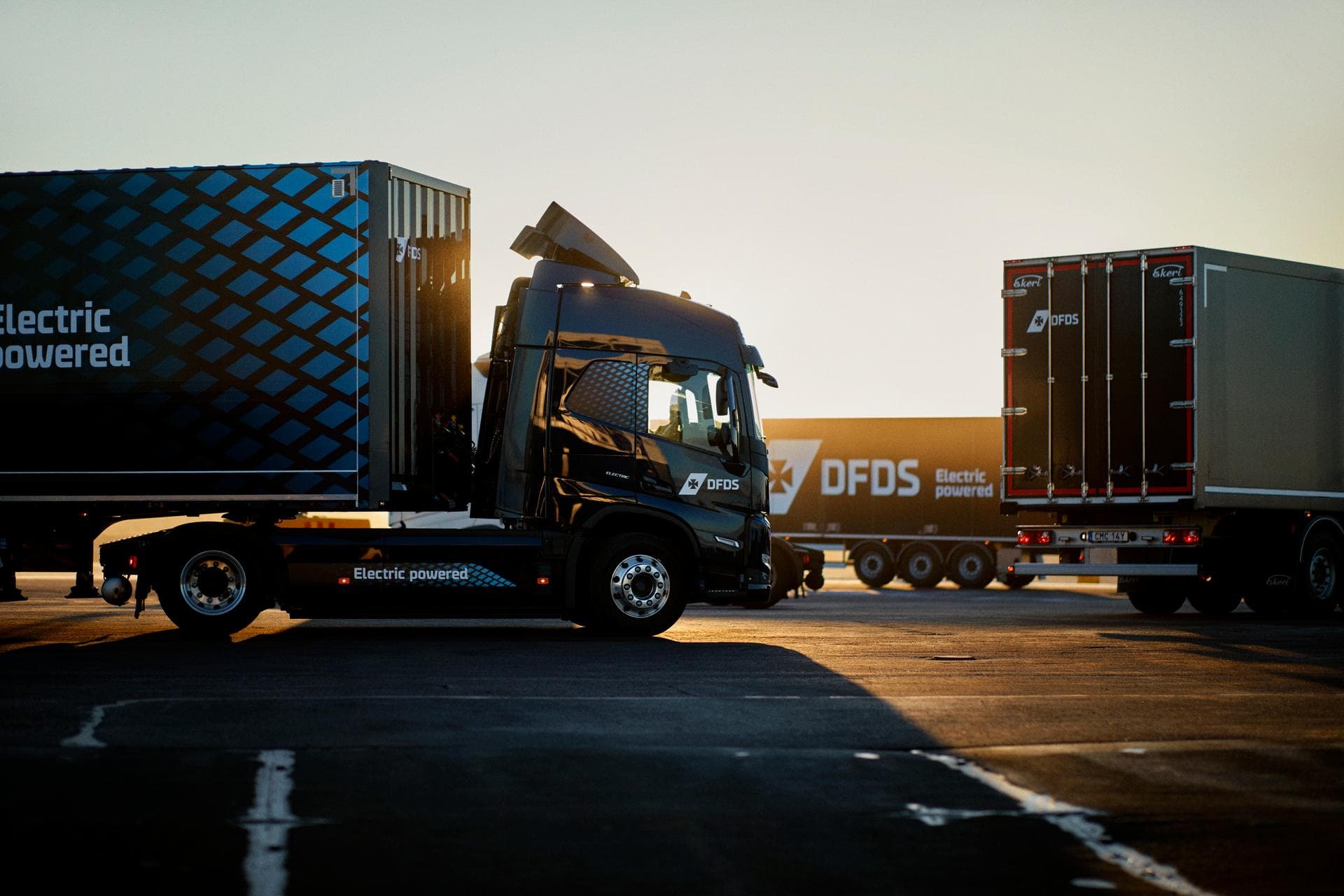
DFDS deploys 10 heavy-duty electric trucks in the UK
DFDS is set to become one of the biggest operators of heavy-duty electric trucks in the UK with the introduction of 10 electric trucks to deliver goods in east and northwest England and in Ireland.
Copenhagen
14 May 2024
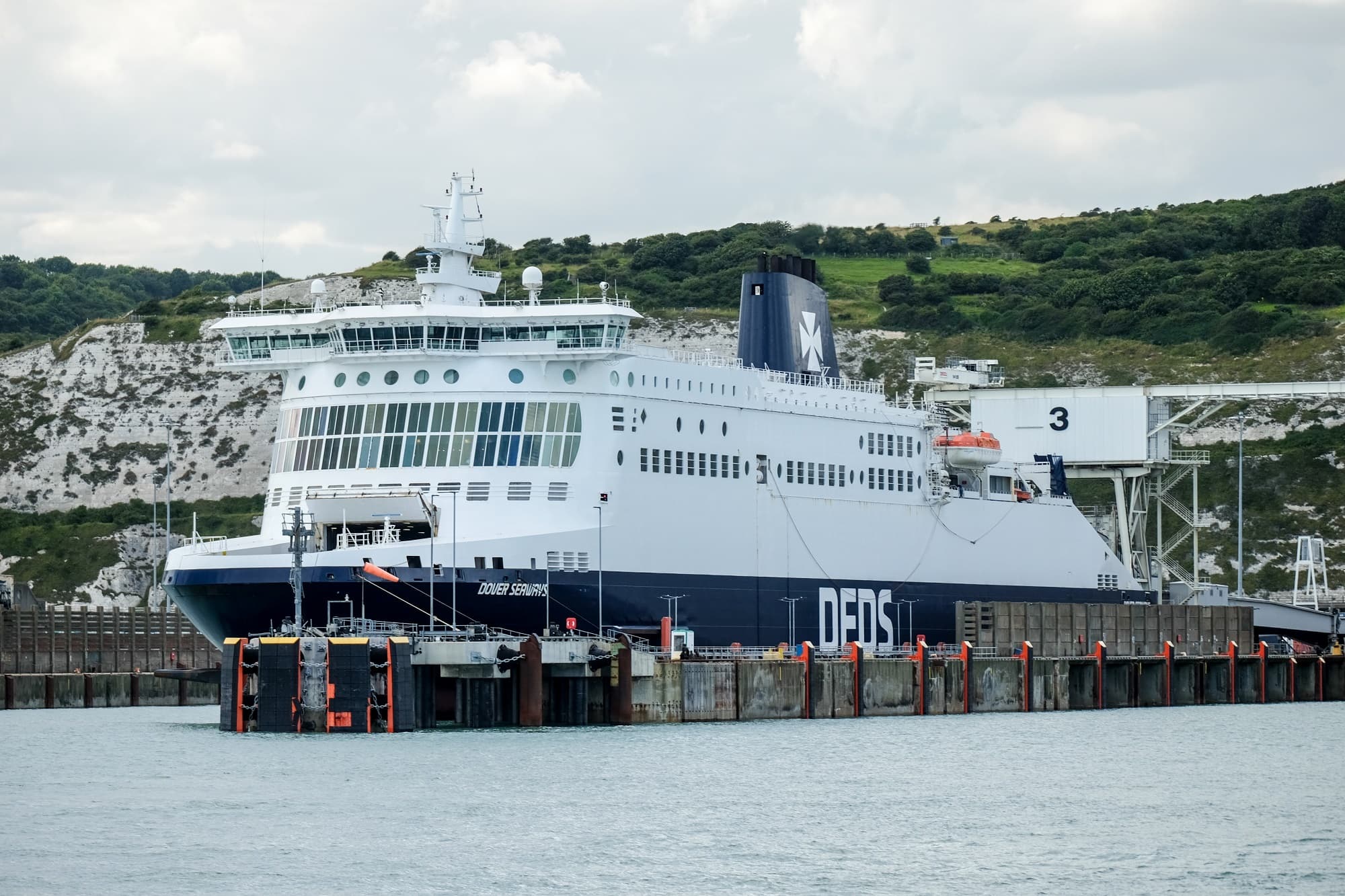
DFDS to invest €1 billion in battery electric ships for the Channel
DFDS is announcing a substantial €1 billion investment in battery electric vessels, marking its unwavering commitment to decarbonising maritime traffic in the English Channel.
Copenhagen
18 March 2024
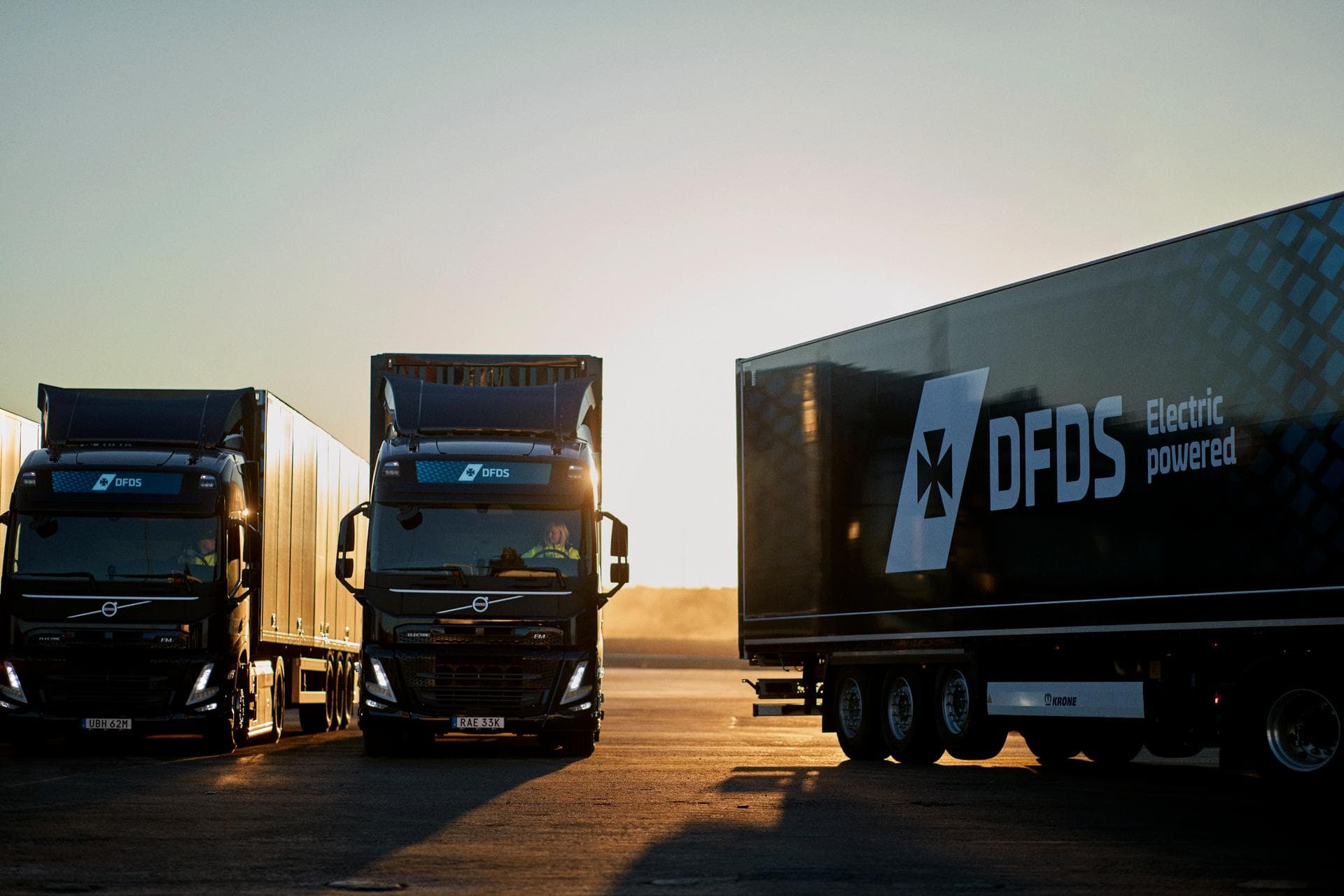
DFDS intensifies decarbonisation efforts with 100 additional e-trucks
DFDS places order for yet another 100 Volvo electric trucks which will almost double the number of electric trucks in its fleet. The new electric trucks will be deployed in markets across Europe to meet the growing customer demand for e-mobility solutions, consolidating DFDS’ green ambitions and further cementing that DFDS has the largest fleet of heavy-duty electric trucks on the continent.
Copenhagen
18 January 2024
DFDS and Roskilde University collaborate on decarbonisation technology
Roskilde University and DFDS have entered into a partnership agreement that will contribute to new digital solutions for reducing Greenhouse Gas emissions in shipping and other transport sectors.
Copenhagen
28 November 2023
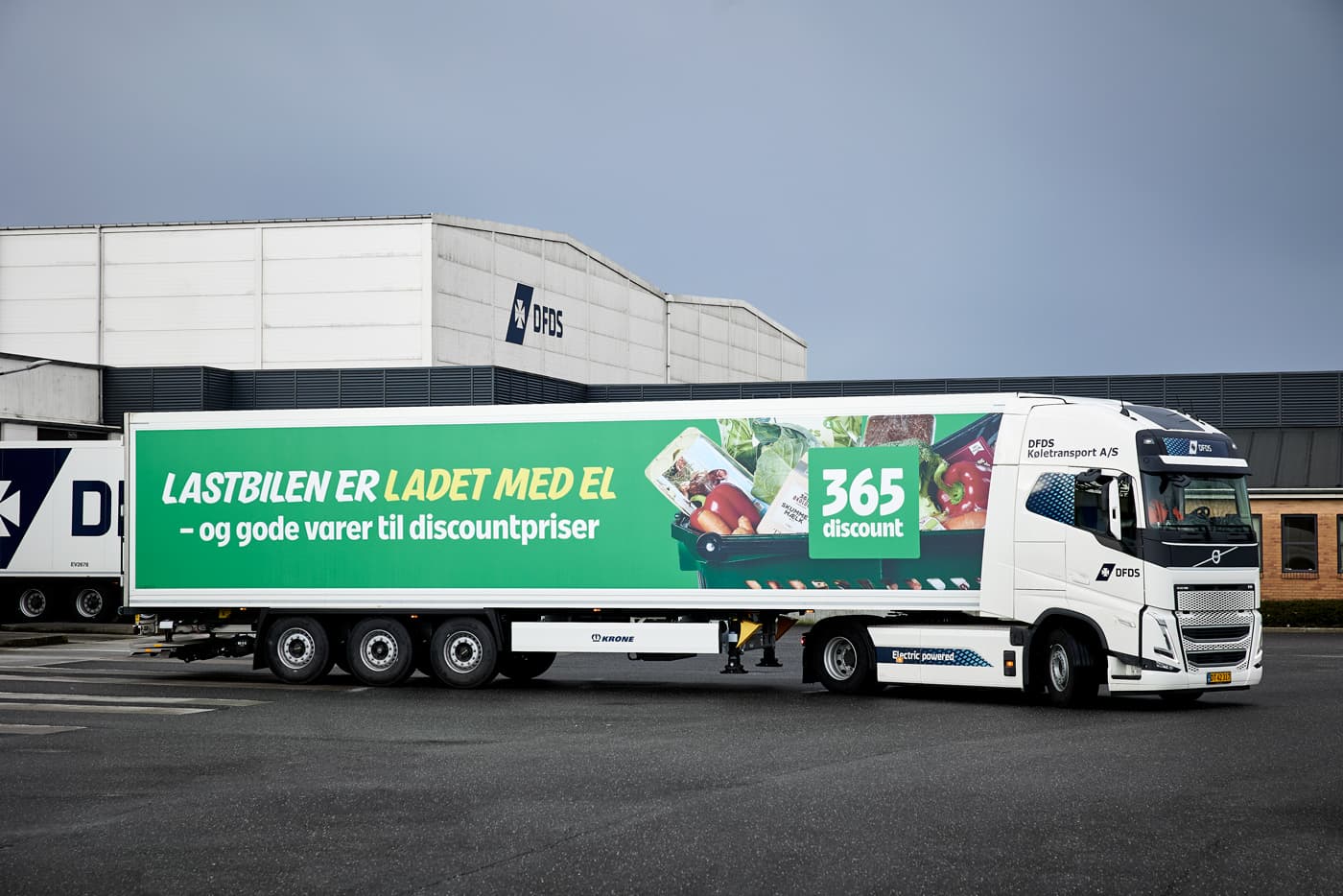
Coop and DFDS join forces to decarbonise heavy transport
10 electric trucks will deliver goods to 365discount, Kvickly/SuperBrugsen and Brugsen supermarkets in Jutland, Denmark after Coop and DFDS have entered into a new strategic partnership.
Copenhagen
1 June 2023
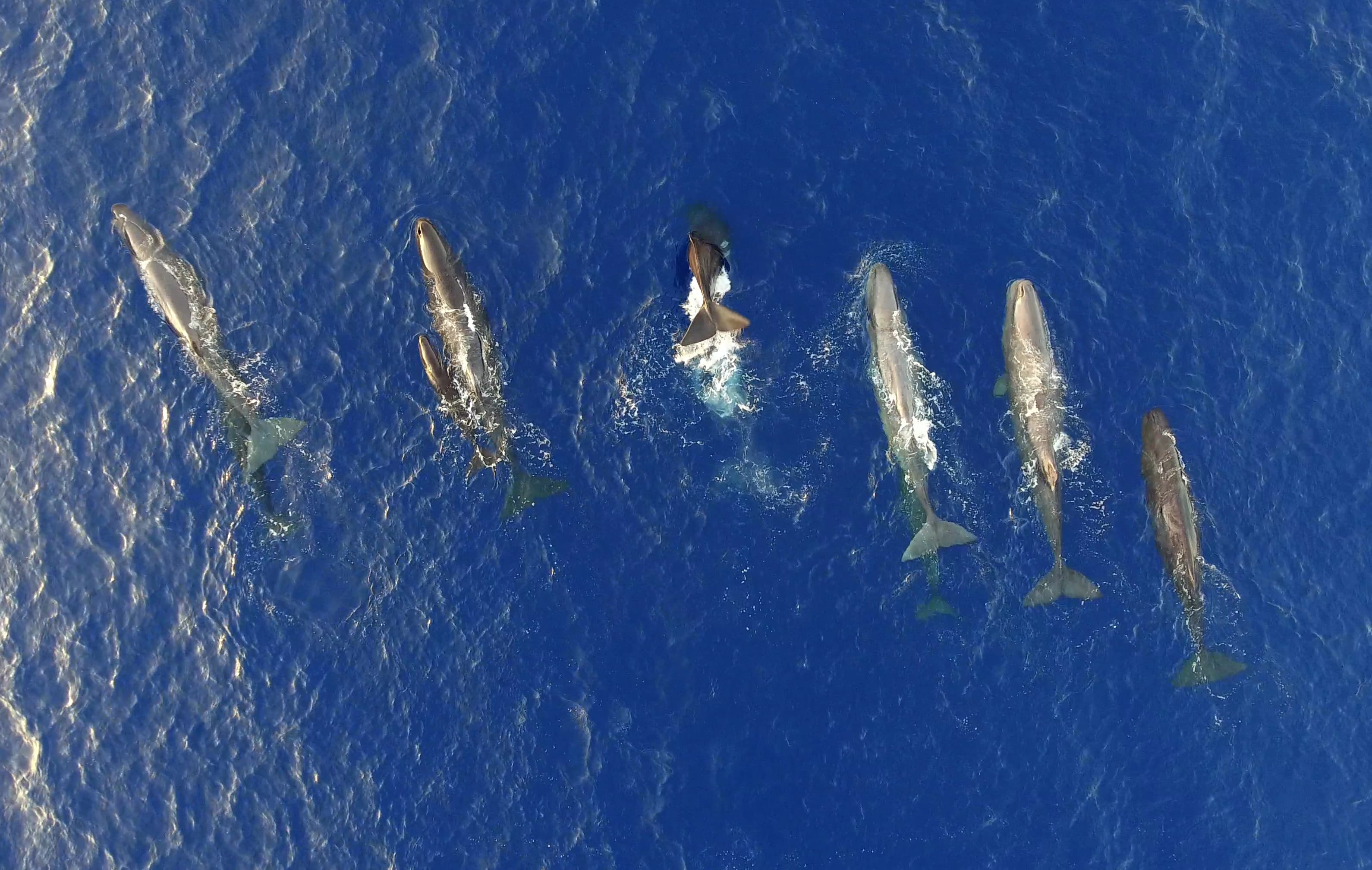
New Initiative to Protect Sperm Whales in Southern Greece
At DFDS, our awareness of how our ferry and logistics activities impact biodiversity is growing. We are taking essential steps to protect marine life in the Mediterranean around the Southern part of Greece, a critical habitat for endangered sperm whales.

Copenhagen
23 May 2023
CPH Pride, DFDS and Volvo come together for a more sustainable Pride!
The iconic Copenhagen Pride Parade will become the first Pride Parade in the world to change to use 100% electric vehicles. This is a huge step towards creating a more sustainable event while promoting human rights and LGBTI+ equality. And it could not have been done without the supportive partnerships of DFDS, Volvo Trucks, and PrideUP, Copenhagen Pride’s in-house agency.
Copenhagen
17 April 2023
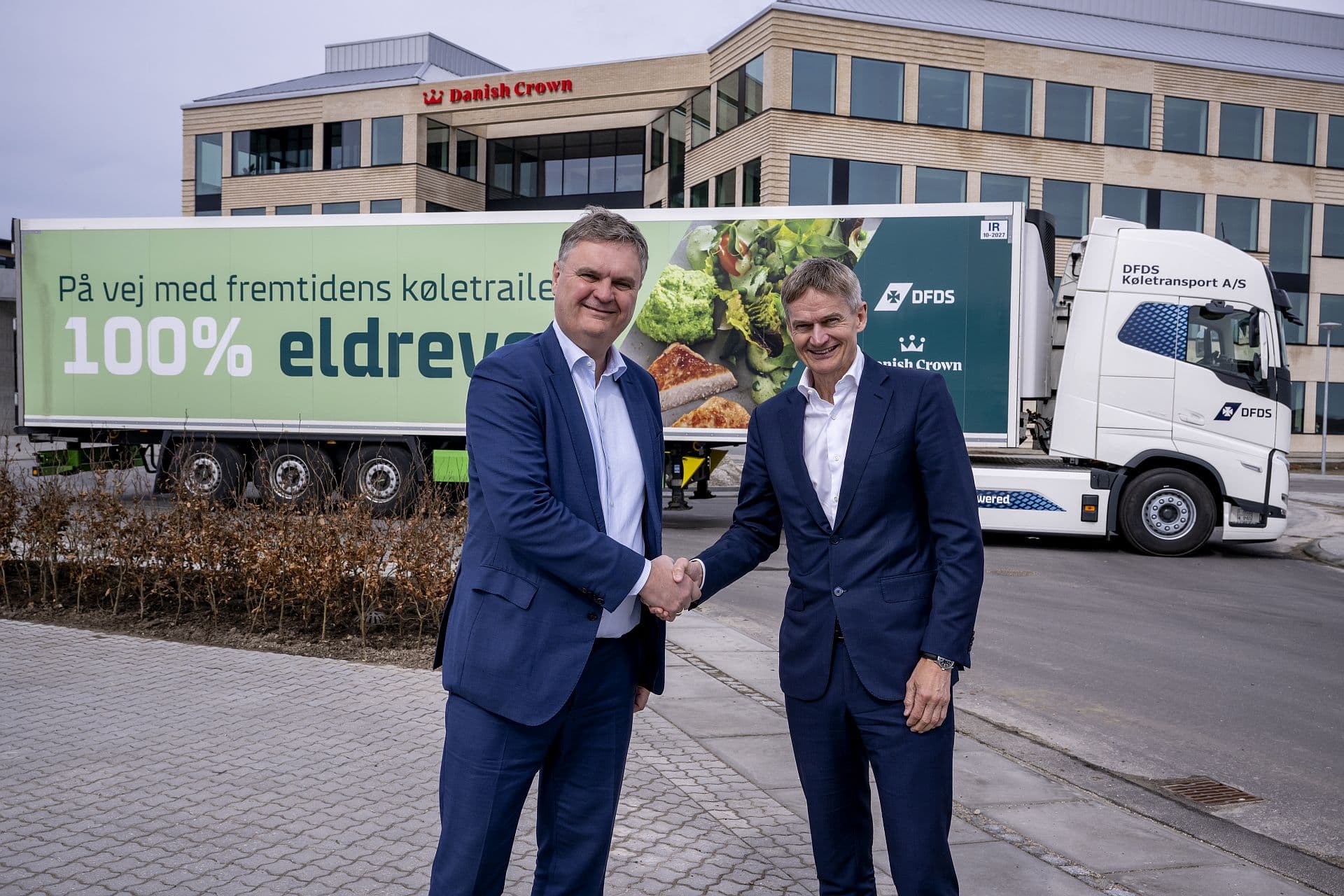
A new 5-year agreement paves the way for further reduction of emissions
Danish Crown and DFDS enter into a historic multi-year partnership agreement that includes an intensified commitment to – jointly – ensure the transition to CO2-neutral transport. The agreement also includes the immediate deployment of six additional electric trucks.
Gothenburg
3 March 2023
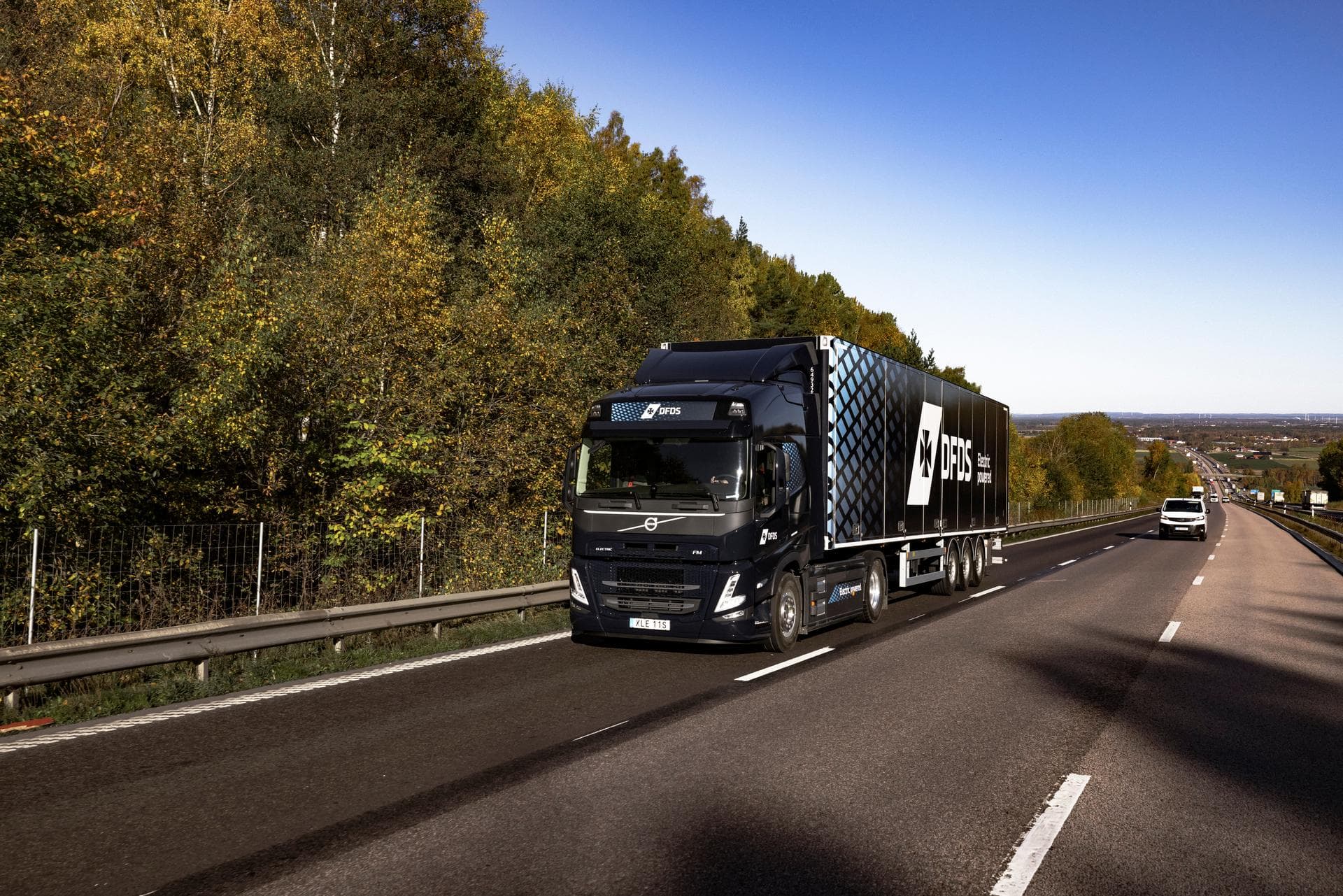
Electric trucks put DFDS on the road to sustainable supply chains in Sweden
Today, 3 March 2023, DFDS launches a new fleet of 20 electric trucks in Gothenburg, Sweden. The fleet in Gothenburg, which will grow with an additional 30 electric trucks, forms a significant portion of the 125 electric Volvo trucks which DFDS expects to be in service by the end of 2023. The introduction of electric trucks is an important step in the company’s transition towards greener transport solutions.
Vlaardingen
22 December 2022
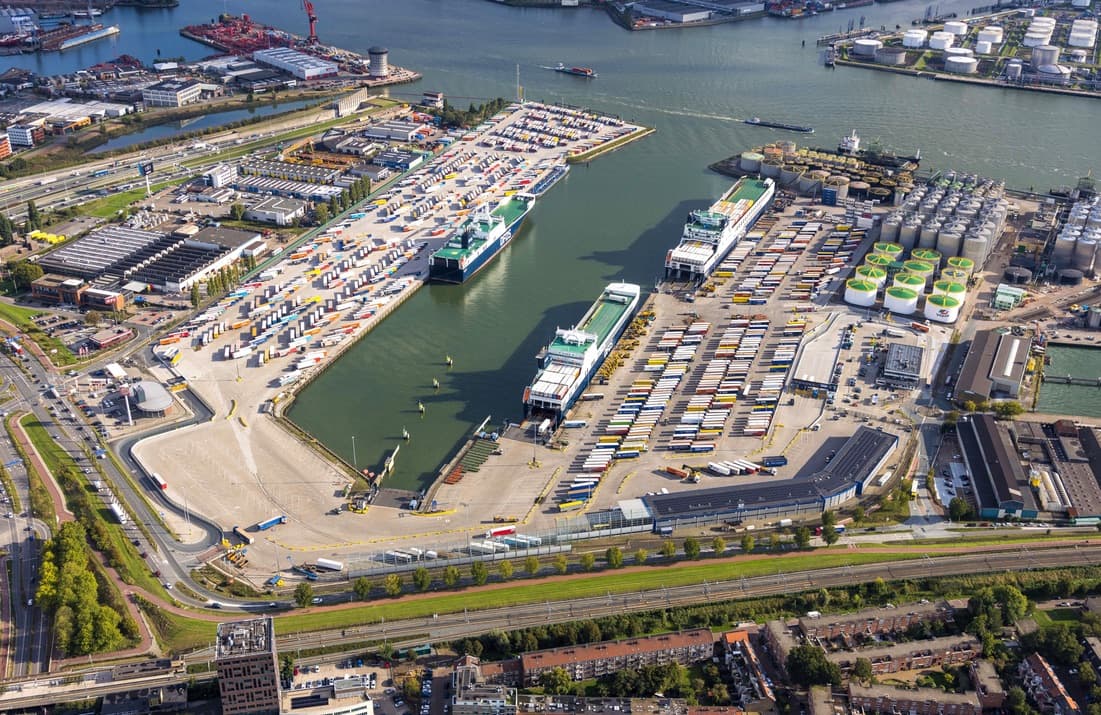
Shore power from Rotterdam for DFDS terminal in Vlaardingen
By the end of 2023, part of the DFDS ships that dock in Vlaardingen will receive electricity via a shore power installation. Rotterdam Shore Power B.V, a joint venture of Eneco and the Port of Rotterdam Authority, will supply this shore power. For now, Jinling roll-on-roll-off vessels for scheduled service to and from Immingham will use the shore power installation. The installation will be constructed by Actemium and has been partially made financially possible by subsidies from the central government and the province of South Holland.
Copenhagen
2 September 2022
DFDS joins e-methanol partnership
On 1. September, DFDS joins a new e-methanol partnership with Liquid Wind, Stena Line and Gothenburg Port. A partnership to significantly increase the production of e-methanol.
Copenhagen
16 August 2022
DFDS reports strong Q2 results
DFDS reported strong revenue growth of 67% due to passengers returning much faster than expected, alongside higher freight earnings. EBITDA increased 63% to DKK 1.46bn. Based on the strong performance, DFDS has upgraded its outlook for the full year.
Ghent
7 July 2022
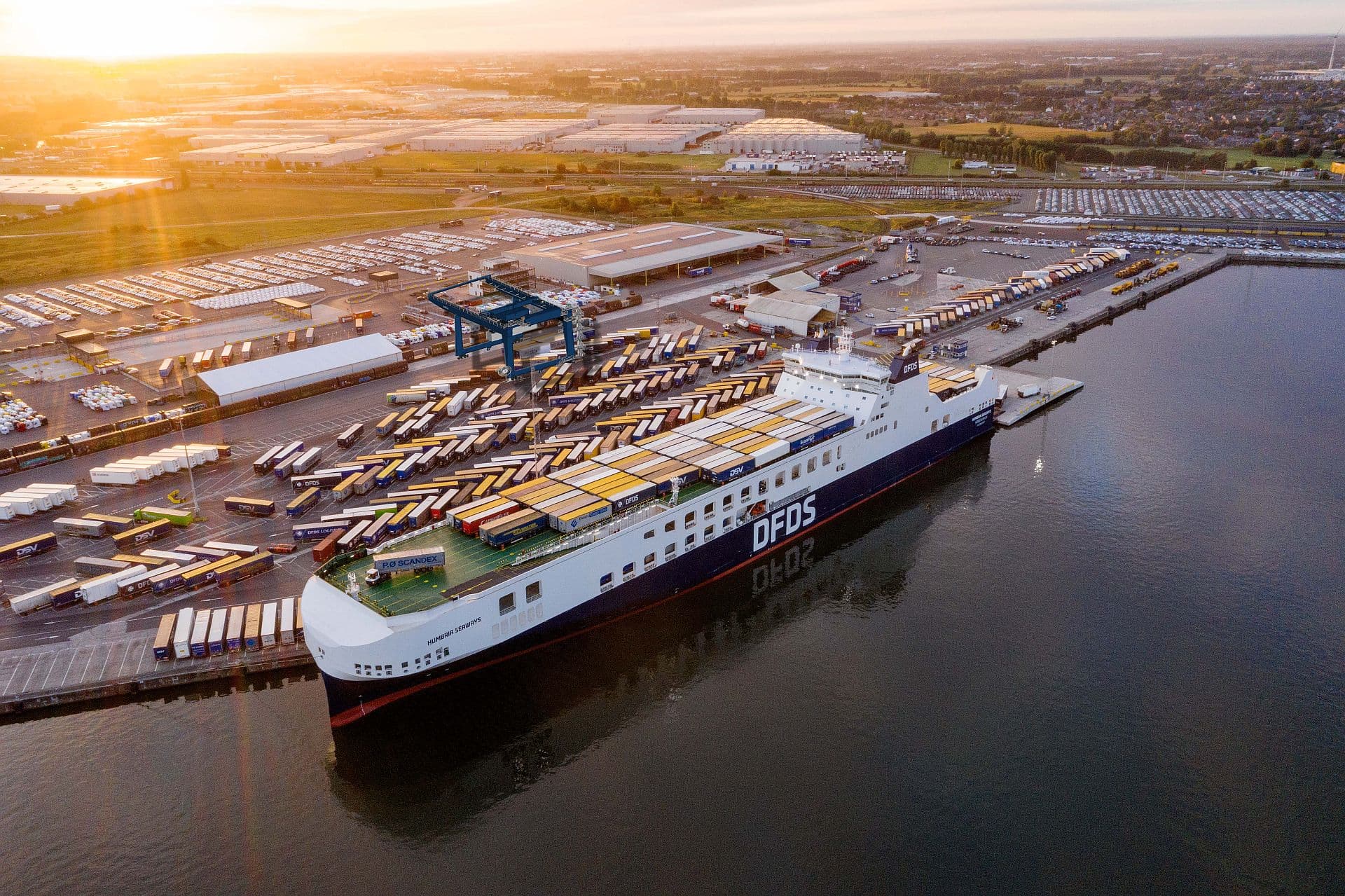
Crane investment in Ghent enables DFDS to handle more cargo
As part of its long-term strategy to grow solutions to customers, DFDS is investing in a new Kuenz rail-mounted gantry crane in Ghent.

Copenhagen
29 October 2021
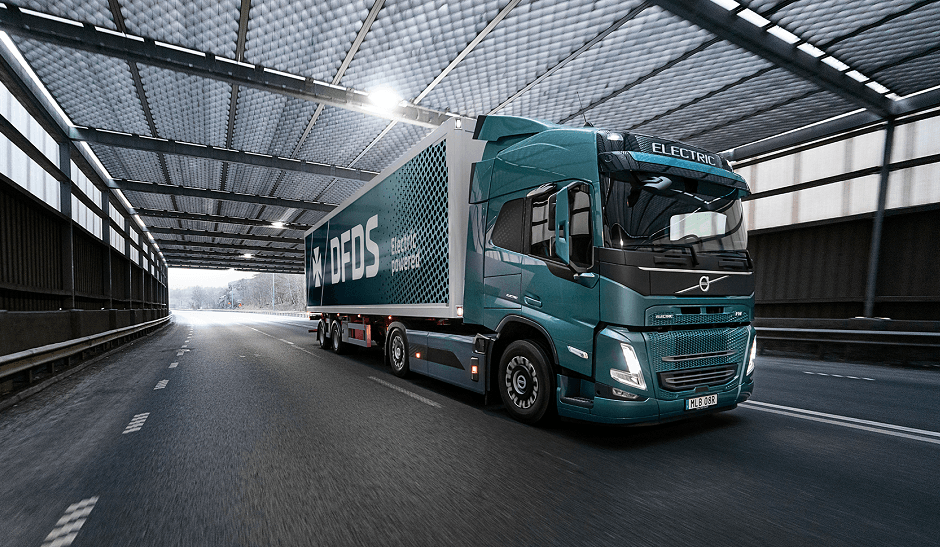
The bees are welcome at DFDS' new HQ
The new DFDS headquarters is designed with sustainability in mind. From the building's materials to how we source furniture to waste management and green commuting options – our new work home is built for the people in it and the life surrounding it.
Copenhagen
17 August 2021
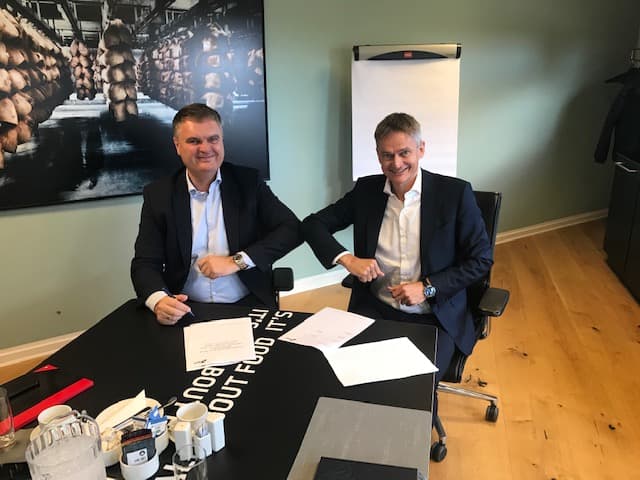
Environmental, Social, and Governance actions now reported quarterly
DFDS Environmental, Social, and Governance efforts are now going to be reported with every Quarterly Report
Copenhagen
28 September 2020
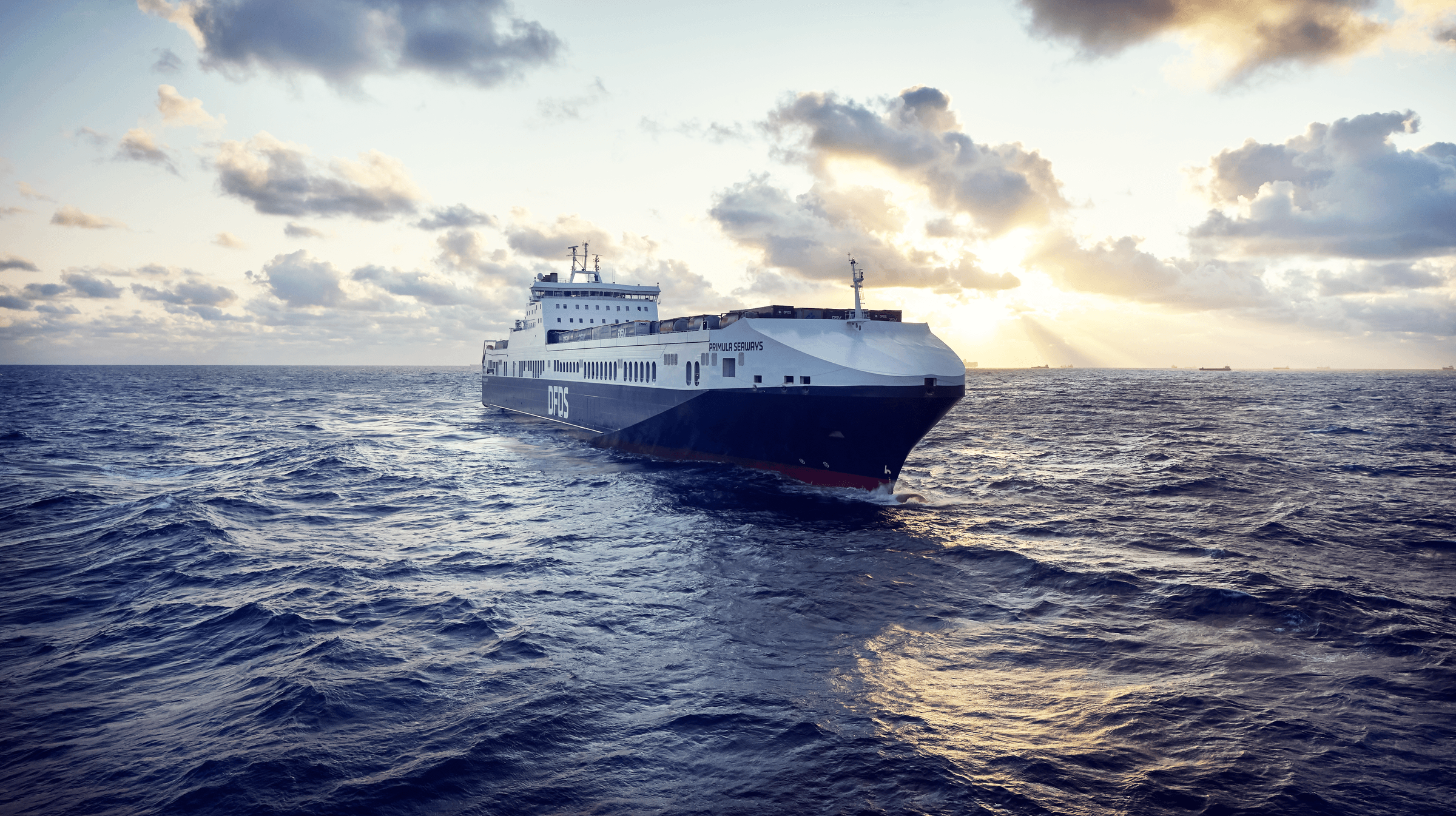
New contract with Danish Crown
DFDS and Danish Crown signed a contract that extends our cooperation on transport of meat to the UK by 2.5 years.
Copenhagen
8 September 2020
DFDS climate plan: next ten years
Our ambitious plan to reduce climate gas emissions will help make us climate neutral by 2050. The short term goal is to reduce emissions by about 45% from 2008 to 2030 through continuous improvement.

Copenhagen
1 September 2020
DFDS develops ambitious climate plan
We want to become climate neutral by 2050 and are aiming for a relative reduction of Greenhouse Gas (GHG) emissions by close to 45% from 2008 to 2030. That corresponds to an approximate reduction of 25-35% between 2019 and 2030. These are the main goals in DFDS’ new climate action plan.
Copenhagen
20 August 2020
Sustainable fuel is not science fiction
Nel, Everfuel and Haldor Topsøe join Ørsted, Mærsk, Copenhagen Airports, DSV Panalpina, SAS and DFDS to establish one of the world’s largest electrolyser and sustainable fuel production facilities – and apply for double-digit grant from Innovation Fund Denmark.
Copenhagen
25 April 2019
DFDS invests in biofuel developer MASH Energy
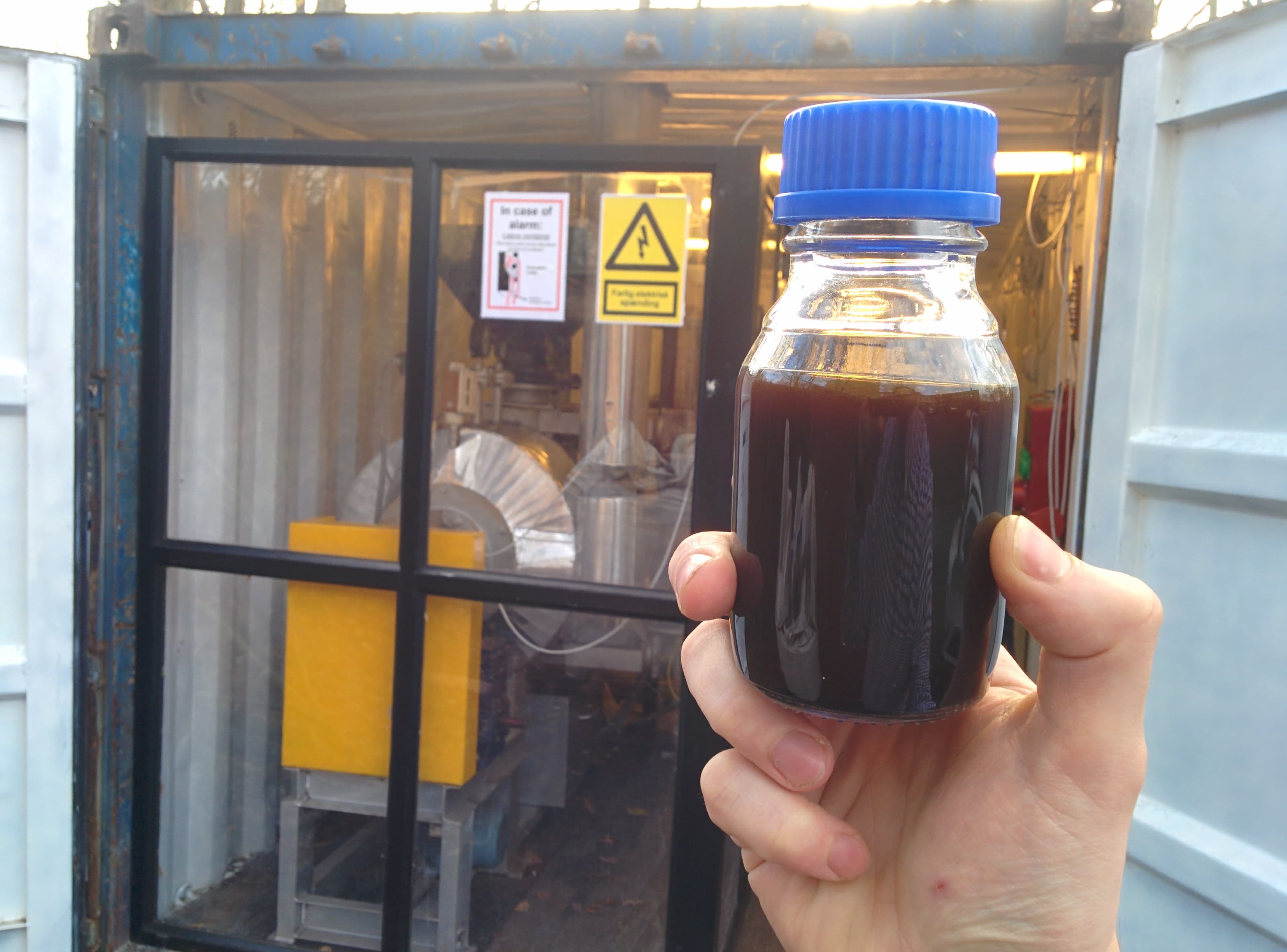
The start-up company MASH Energy ApS produces bio-oil from agricultural waste. The CO2 neutral biofuel can be used in ships, and the residual product is an effective fertiliser. With its investment of up to DKK 10 million, DFDS is now co-owner of the company and co-responsible for developing a commercially viable alternative to fossil fuels. The plan is to work towards testing the fuel on a DFDS vessel.
For media inquiries, interviews, or press materials, reach out to DFDS using the contact details below.